
trusts

Family trusts are no longer flying under SARS’ radar

Trust filing season is open – and SARS is watching every detail. For many years, family trusts have been an important part of estate planning in South Africa. They are commonly used to hold family properties, investments and shares in private companies, with the intention of protecting assets and preserving wealth for future generations. Historically,

Family trusts are no longer flying under SARS’ radar Read More »
Your will is only part of the plan

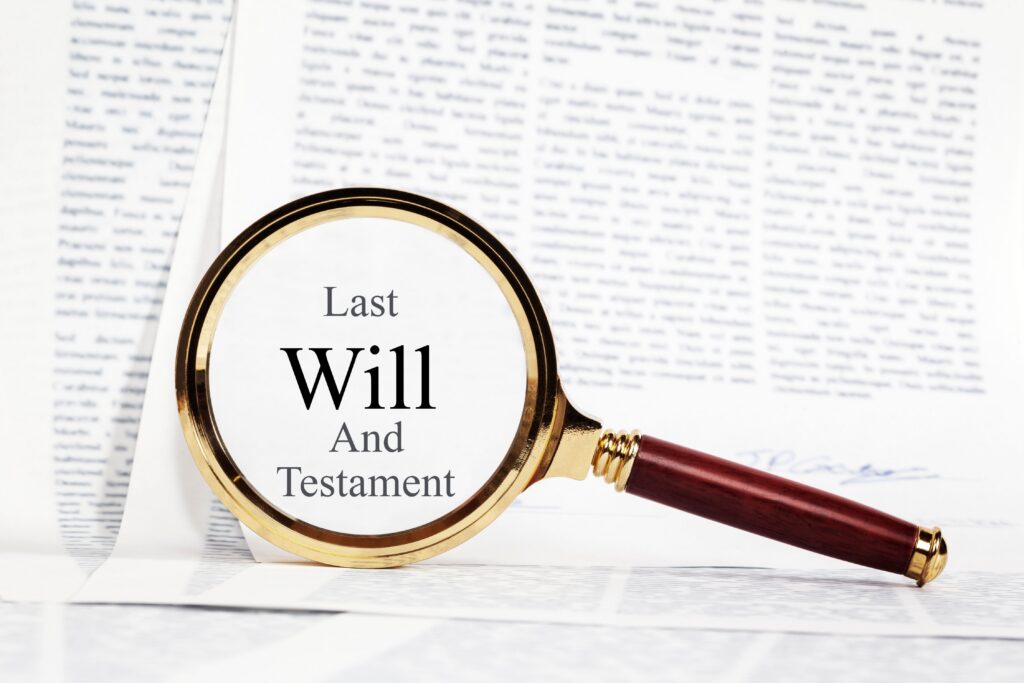
Signing a will is not the end of estate planning. It is the starting point. It may be worth taking a closer look at the bigger picture – your assets, liabilities, family circumstances, business interests, trusts, tax exposure and, importantly, the liquidity your estate will need when the time comes.

Your will is only part of the plan Read More »

PAIA Compliance: The “Forgotten” Law Is Getting Teeth

For years, many businesses treated PAIA as a once-off admin task.  Prepare a manual. Put it in a folder. Maybe upload it to the website. Forget about it.

That approach is becoming risky.

The Information Regulator is placing renewed focus on PAIA compliance, and the message is clear: businesses must be able to show that they have more than a template document. They need a working process.

PAIA Compliance: The “Forgotten” Law Is Getting Teeth Read More »

The role of an executor: Protecting your estate and your heirs

Appointing the right executor to administer your estate is one of the most important decisions you will make in planning for the future. An executor acts in your place once you are gone, ensuring that debts are settled, assets are safeguarded and your estate is distributed according to your will and the law. 

Choosing wisely can mean the difference between a smooth, respectful process for your loved ones and a drawn-out, stressful experience.

The role of an executor: Protecting your estate and your heirs Read More »

Beneficiaries and their inheritance

When a person passes away, their assets – whether movable (like money or cars) or immovable (such as property) – are distributed to the beneficiaries named in their valid will (testate succession). Sometimes, the will specifies that assets must be divided among heirs, such as siblings, and that the remainder should pass to their children. In these cases, questions often arise about how inheritance can be fairly shared and whether assets can be rearranged among heirs.

Beneficiaries and their inheritance Read More »

Scroll to Top