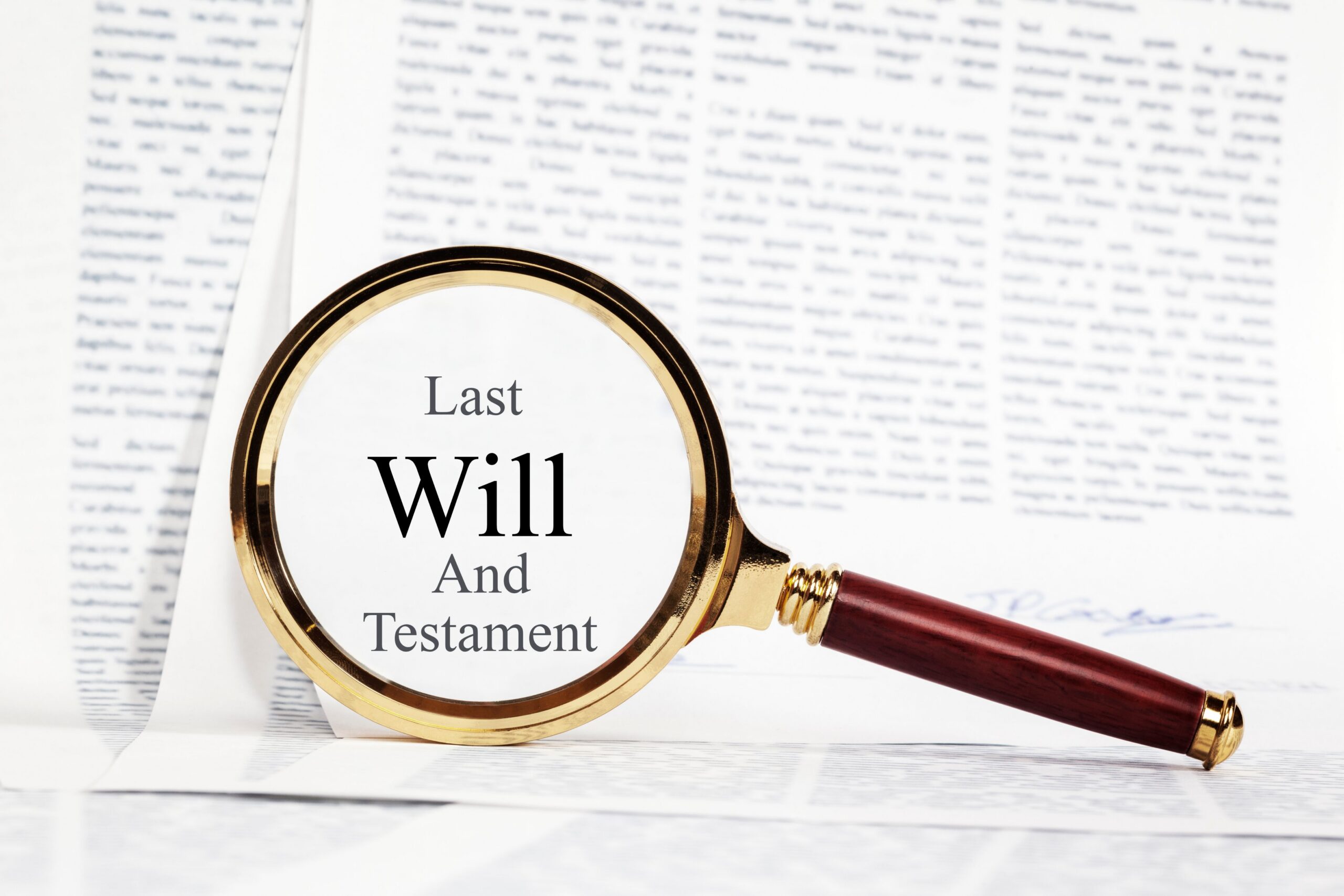
Estate planning is one of the most important steps you can take to protect your family’s financial future. Without a proper plan in place, your loved ones could face unnecessary stress, disputes, or financial hardship after your death.
Good estate planning goes beyond simply drafting a will. It requires specialised legal and financial guidance to make sure your assets are identified, protected, and distributed according to your wishes – and in a way that is both tax-efficient and legally sound.
What does estate planning entail?
Estate planning is the process of putting structures in place to manage your affairs after your death. This includes:
- Drafting or updating a valid, tax-efficient will.
- Considering whether to set up a trust to safeguard assets.
- Appointing a responsible person to administer your estate.
Professionals in law and finance play a key role here, ensuring that your will or trust complies with the law and that your heirs’ interests are properly safeguarded.
What really happens behind the scenes when someone passes away?
While estate planning is about preparing for the future, it’s worth understanding what actually happens after a person dies:
- Lodging the estate – The estate is reported to the Master’s Office and a Letter of Executorship is issued. Key documents like the death certificate, marriage certificate, title deeds, and policies must be verified and submitted.
- Notifying institutions – Banks, insurers, SARS, and creditors are informed and accounts are frozen.
- Public notices – Statutory advertisements are placed in a local newspaper and the Government Gazette to alert creditors.
- Securing assets and checking liquidity – Executors must ensure there is enough cash to cover debts, costs, and taxes.
- Selling assets if necessary – Where liquidity is insufficient, assets may need to be sold, while also navigating SARS requirements, creditor claims, heirs’ expectations, and sometimes family disputes.
- Preparing the Liquidation and Distribution Account – A detailed record of assets, liabilities, and the proposed distribution is drawn up, advertised, and made available for objections before final approval and payout.
Depending on how well the estate was planned during one’s lifetime, this process can take months – or even years.
Intestate succession: When there is no valid will
If someone dies without a valid will, the Intestate Succession Act determines how their estate is distributed. This may result in outcomes you did not intend – for example, a spouse or child inheriting differently to what you may have wished. Having a valid will avoids these unintended consequences.
Testate succession: When there is a valid will
Where a valid will exists, assets are distributed according to its provisions, in line with the Wills Act of 1953. Specific assets left to beneficiaries are called “legacies,” and are distributed first. Any residue is then divided among the heirs. This ensures your wishes, rather than default legal rules, govern how your estate is wound up.
Why is a valid will essential?
Anyone over 16 years of age can make a will, but strict formalities apply – it must be in writing, signed on every page by the testator, and signed by two witnesses in each other’s presence. Small errors can invalidate a will, which is why professional assistance is recommended.
Should you consider a trust?
Trusts are a powerful estate planning tool that can:
- Protect and preserve wealth for future generations.
- Provide for dependants who cannot manage their own finances.
- Safeguard assets in the event of liquidation, sequestration or divorce.
Trusts are particularly useful if you have minor children, as they cannot directly manage inheritances. Trustees ensure your estate is managed responsibly and in line with your wishes.
Proper estate planning during one’s lifetime – a valid will, sufficient liquidity and careful structuring of assets – ensures the winding up of an estate is smoother, faster and less costly. Without these measures, families may face delays, financial strain and disputes. With them, your loved ones are protected and your wishes are honoured.